Understanding
Acne
Educational · not a diagnosis

Active breakouts, red marks and brown marks each need a different approach — treating them all the same way can slow healing or make marks worse.
How one spot happens
Four things in a row, inside a single pore.
Oil and dead skin cells build up faster than the pore can clear them, and the opening plugs.
A bacterium that lives on everyone's skin, C. acnes, thrives in the blocked, oily pore.
The immune system arrives. That response — not the dirt, not the bacteria alone — is the red, sore spot.
The spot settles, but a red or brown mark can linger well after. That mark is a different problem from the spot.
Six kinds of spot
Most people have several kinds at once, and they are not all treated the same way. Which ones you mostly have decides what helps and what makes it worse.
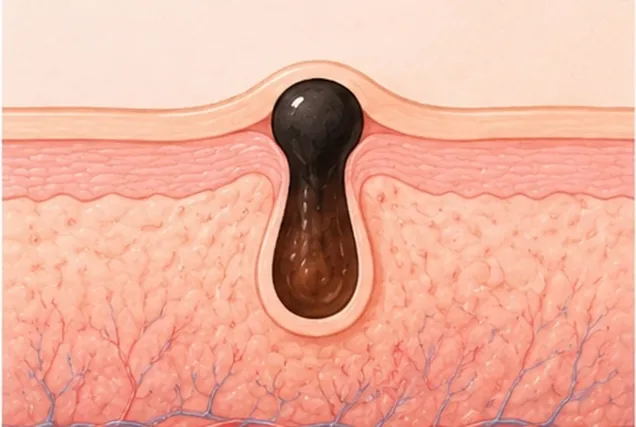
An open plugged pore. The dark tip is oxidised oil, not trapped dirt.
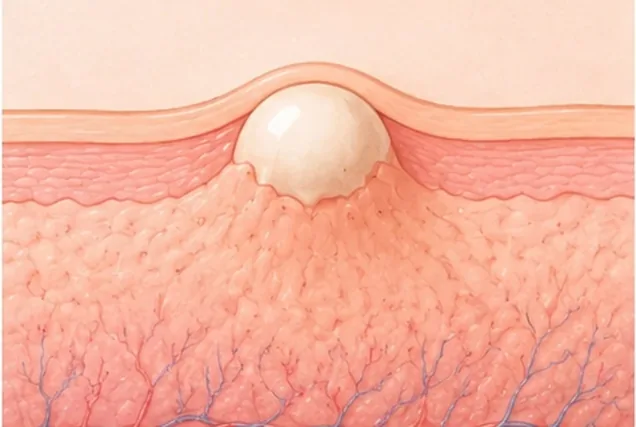
The same plug with the pore closed over, so it sits as a small pale bump.
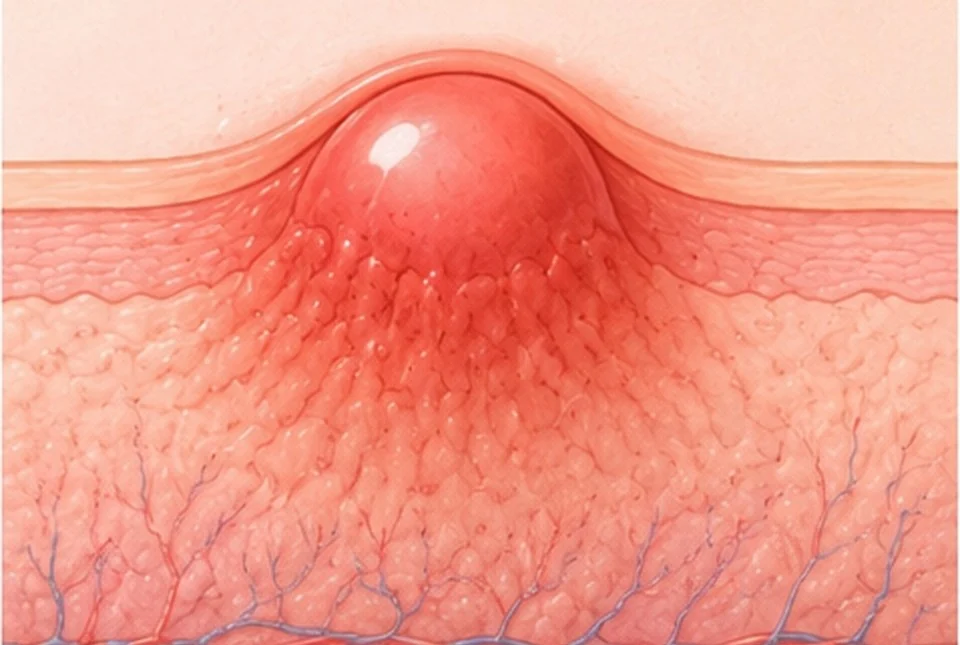
A red, tender bump with no visible head. Inflammation has started.
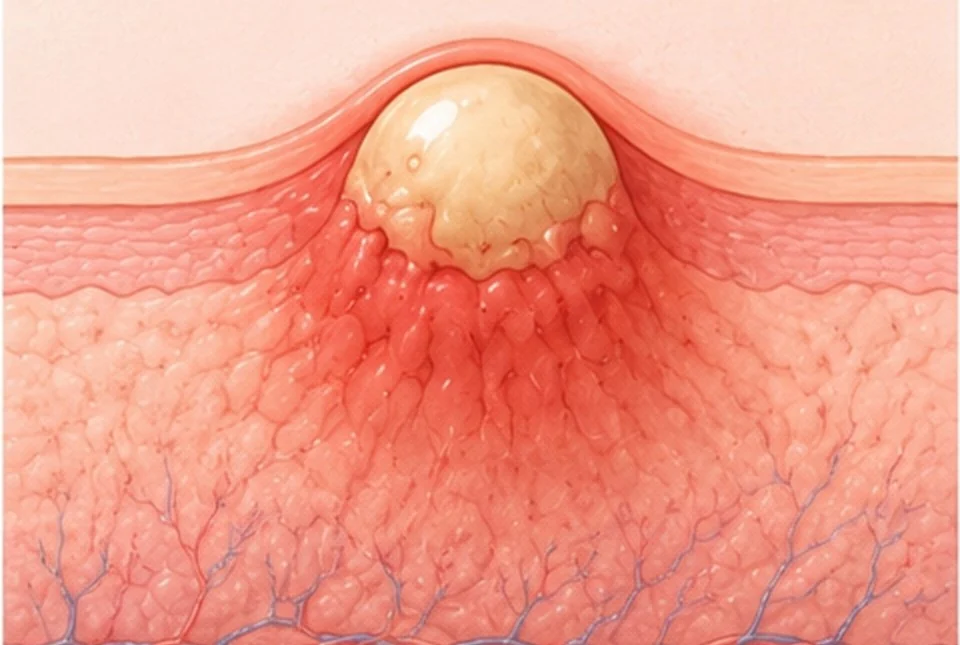
The classic spot: red base, pale centre of pus. Tempting, and worth leaving alone.
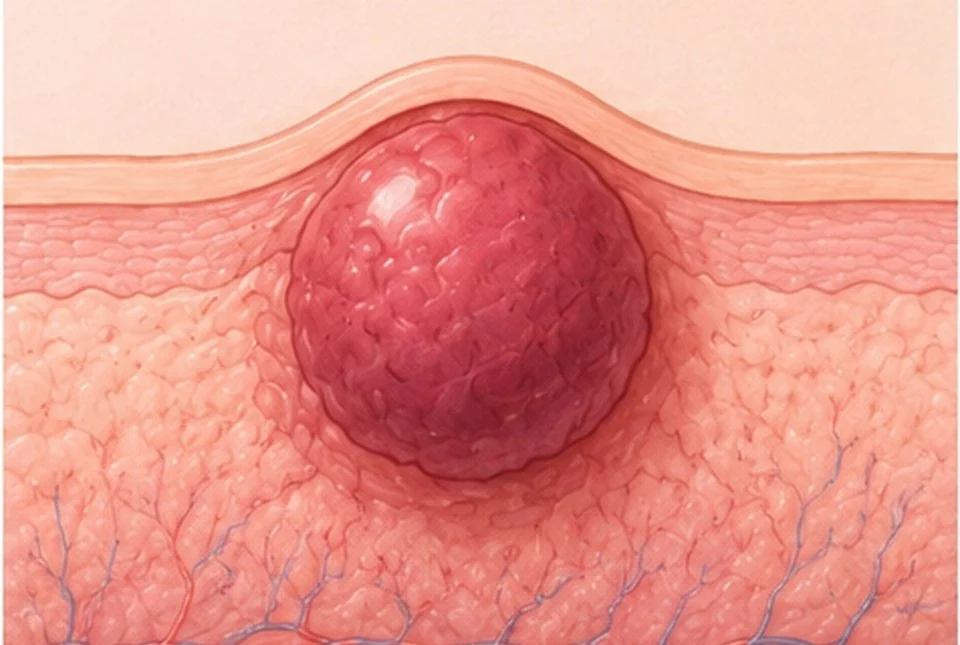
A firm, painful lump deeper in the skin that can last for weeks.
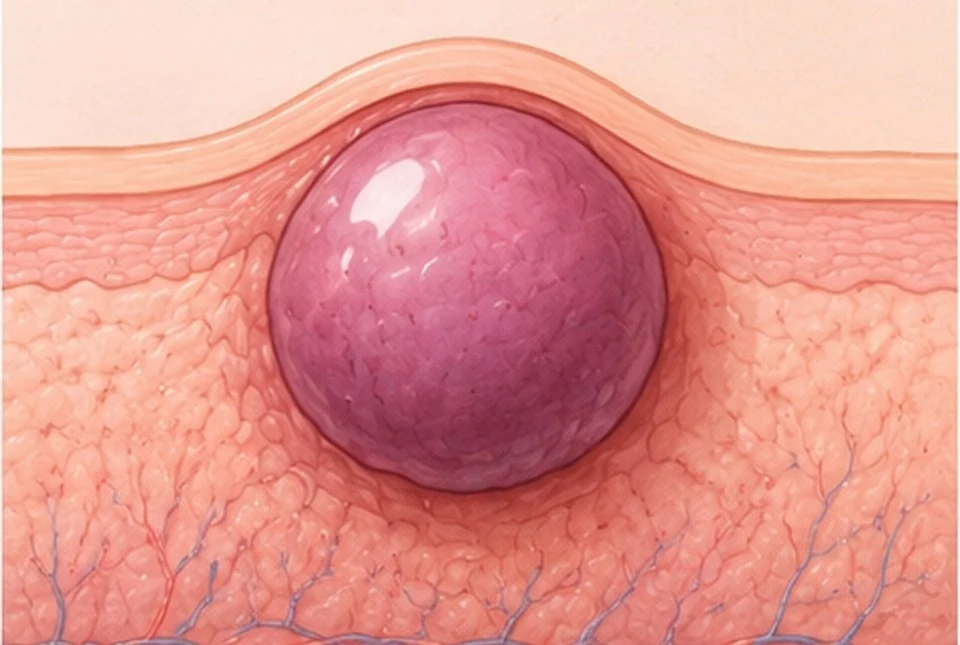
Deeper still, soft and fluid-filled. The type most likely to scar.
Spot, red mark, brown mark
This is the distinction that changes the most. The same product can help one and do nothing for another.
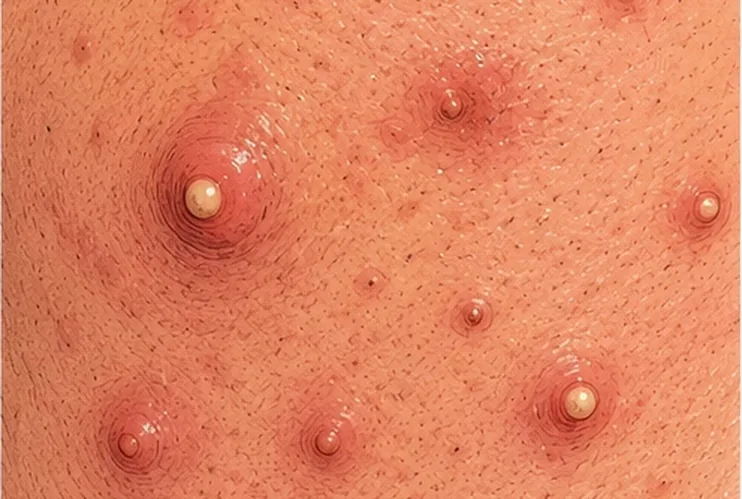
Spots that are still forming: clogged pores, red bumps, pustules. The skin is actively inflamed.
Treat the process — unclog the pore and calm the inflammation. Marks come later; this comes first.
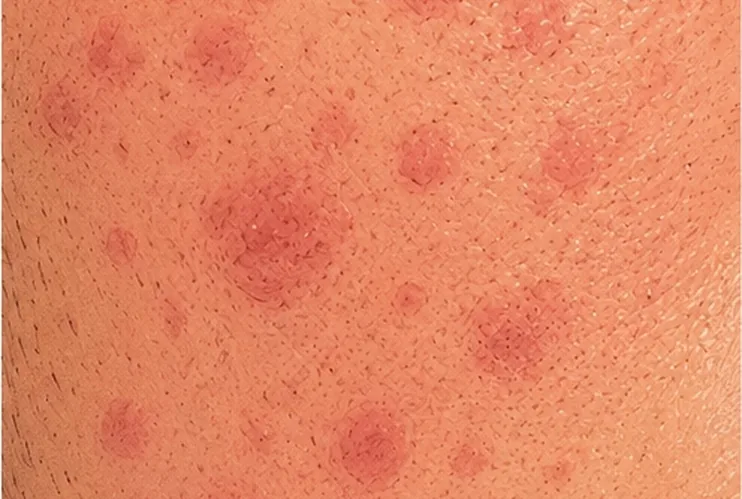
Flat pink or red patches left where a spot has healed. Blood vessels, not pigment, and they blanch if pressed.
Time, gentleness and daily sunscreen. Most fade with time; picking and harsh actives can set them back.
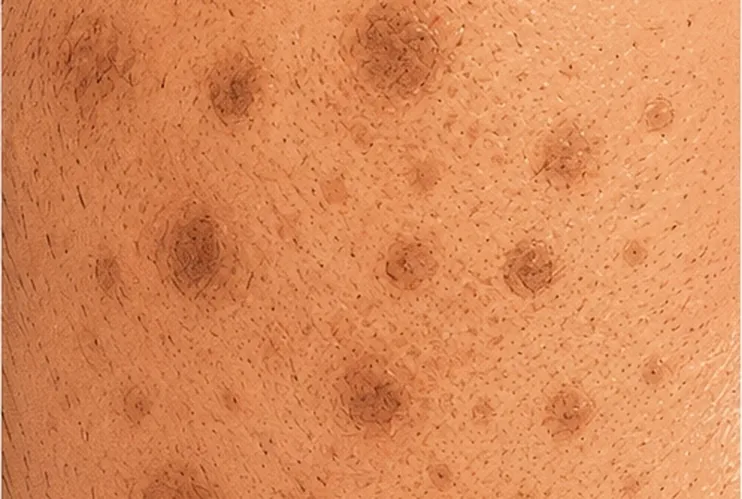
Flat brown or grey-brown patches from extra pigment made during the inflammation.
Pigment-directed actives plus sunscreen every morning. Sun exposure can darken them faster than a serum is likely to fade them.
Pick which one you are dealing with. These are the ingredient types worth knowing about — not a recommendation, and not a shopping list.
Treat the process first — the clogged pore and the inflammation behind a spot. That is what stops the next mark being made.
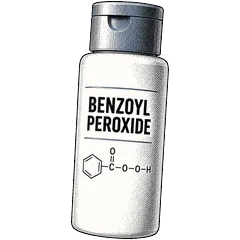 Benzoyl Peroxide
The longest-studied over-the-counter option for blemish-prone skin. Helps skin look clearer over a few weeks.
Can irritate — introduce slowly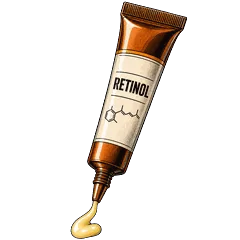 Retinol Family
Helps pores look clearer and skin texture smoother in blemish-prone skin. Slow to start, steady over months.
Can irritate — introduce slowly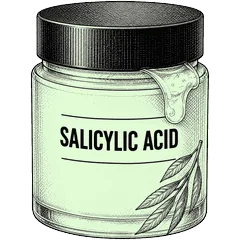 Salicylic Acid (BHA) — Leave-On Serum/Toner
Oil-soluble, so it gets into the pore. Helps pores look clearer and skin less congested.
 Niacinamide
Helps skin look calmer and less shiny. A gentle companion to the stronger options, not a standalone.
There are also stronger, prescription-only medicines for this. Those are a conversation with a doctor, not something to buy off a shelf.
The list above is the same for everyone. These four are not, and there is no honest way to fill them in without asking you first.
- ? Which of these apply to your skin
- ? What strength to start at
- ? Morning, night, or which to keep apart
- ? What to skip — pregnancy, and what you already use
A few questions and the generator answers all four. It is free, and it does not ask for an account.
When to stop self-treating
Scarring is the part of acne least likely to settle on its own, so it is worth acting before it happens rather than after.
The routine generator asks what your skin is doing, then names a cleanser, the actives for it, a moisturiser and a sunscreen. Free, no account.